Does DTG Printing Feel Like Plastic?

12 minutes read                         Share:

Written by PROCOLORED - Published on Oct 14, 2025

7 minutes read     Share:

Written by PROCOLORED - Published on Oct 14, 2025

 Written by PROCOLORED - Published on Oct 14, 2025

Share:

7 minutes read

Ever bought a printed tee online and when it finally shows up, it feels like you’re wearing a giant sticker on your chest? Yeah, that stiff, plasticky patch is basically what turns people off from printed apparel. And honestly, it’s no wonder why first-time buyers get paranoid and ask, “Is DTG printing just gonna feel like plastic, too?”

The short answer is No—DTG doesn’t have to feel like that at all. When it’s done right, there’s zero sticker-vibe happening. No crunchy patch, no peeling weirdness.

Instead of piling on that thick, rubbery layer like those old-school prints, DTG uses water-based inks that literally soaks them right into the fabric. It’s kind of like your shirt gets a tattoo, not a bandaid. So the print just melts in there and you get this buttery-soft finish—like it was always part of the shirt.

Now, full disclosure, not every company nails this. It depends on the t-shirt printing machine, the ink, and honestly, whether they know what they’re doing.

That’s where the Procolored garment printers set the standards. They’ve got these next-level ink systems and curing magic that make everything look loud and crisp, but your shirt still breathes like it’s supposed to.

Long story short: with Procolored digital textile printers, your killer design just becomes part of the shirt. People will notice the artwork, not some weird crunchy spot on your chest. Wear it, wash it, repeat—no sticker vibes in sight.

Understanding the “Plastic Feel” Concern

So, why do people freak out about getting a “plastic shirt” from printed tees? Honestly, it’s baggage from old printing methods Blame those vinyl transfers or 90s screen-printed logos that felt like you’d duct-taped a placemat onto your chest. Ever had a shirt like that?

It's stiff as cardboard, cracks faster after a few washes, and just straight-up uncomfortable. That’s the memory stuck in everyone’s head when DTG is brought into conversation.

But, DTG isn't built the same way. Not even close. The big shift? It comes down to where the print lives.

● Vinyl and plastisol prints—they sit right on top of the fabric. You could probably peel them off. Super obvious, rubbery patches you could pinch and wiggle like a sticker.

● DTG Print— The ink actually dives deep into the fibers. Water-based, soaks in, fuses with the fabric. Nothing sticks up, nothing flakes off, nothing makes you sweaty. It just feels like part of the shirt, plain and simple.

If we want to get a little scientific: DTG ink is a mix of water, pigments, and a bit of binder magic. It grabs onto the cotton, so when the shirt is cured , the color just locks in. So you get that bright, punchy look, but the tee can actually breathe. Vinyl? Literally just slaps a plasticky film right over, turning your shirt into a portable greenhouse.

So yeah, that’s why DTG doesn’t get that “ugh, plastic shirt” reputation. Done right, you’re not layering something fake on top, you’re blending the art in..

The Comfort Test: How Different Prints Feel on Fabric

Honestly, you can tell a good shirt print just by running your hand over it. If the design sort of melts into the fabric—like it’s actually part of the shirt and not just glued on. That’s the “ahh, so soft” feeling, because the ink seeps right into the threads and flexes with every twist or tug.

But, if the print is just kind of slapped on top? Instant disappointment. Feels like you’ve got a plastic sticker stuck to your chest, all stiff and awkward… Basically cheap merch.

Quick Comparison

Printing Method
How It Feels
Texture Level
Vinyl Transfers
Plastic-like, stiff, less breathable
★☆☆
DTF Printing
Slight texture, flexible, durable
★★☆
DTG Printing
Smooth, fabric-like, soft touch
★★★

DTG clearly wins for softness, while DTF printing offers versatility, and vinyl lags behind in comfort.

When DTG Can Feel Plastic-Like

So while DTG is supposed to leave you with that buttery-soft tee, sometimes it just blows up in your face. And yes, that’s when you end up with a plastic feel nobody asked for. So what’s wrecking your shirt? Let’s break it down.

● Cheap Inks or Outdated Machines
Look, using cheap ink is kind of like painting with the wrong kind of paint. Doesn’t soak in, just sits there like a weird film. Bad ink equals stiff unnatural shirts. And if you’re using an ancient printer that can’t spread ink evenly, it only makes things worse. At that point you might as well wrap yourself in a vinyl tablecloth.

● Overloaded Prints on Dark Garments
Dark shirts need a white base layer so your colors don’t disappear. But sometimes,when too much underbase is sprayed, your shirt is caked with this chalky, heavy mess. So, when you stack bright inks on top, you basically end up rolling around in body armor pretending it’s a soft tee.

● Improper Curing = Rough, Stiff Finish
Curing in DTG printing is basically the part where you “bake” the shirt so the ink actually sticks. Skip it or mess it up—like blasting it with too much heat, or not enough—and suddenly your tee feels stiff as cardboard or weirdly rubbery. It’s kinda like baking a cake: do it right and it’s soft and awesome. Rush it or get distracted, and get burnt edges.

Now, here’s where Procolored DTG printers don’t mess around—their advanced curing system dodge all those classic DTG disasters. By keeping heat and ink exactly right, it ensures you get colors that pop, ink that bends with your shirt, and, most importantly, none of that stiff, plasticky mess that makes your shirt crinkle like a chip bag.

Look DTG can totally suck if it’s done on cheap garment printers. But with something like Procolored running the show, you’ll never have to worry about turning your favorite tee into a sweat-trapping sticker.

The Role of Pretreatment

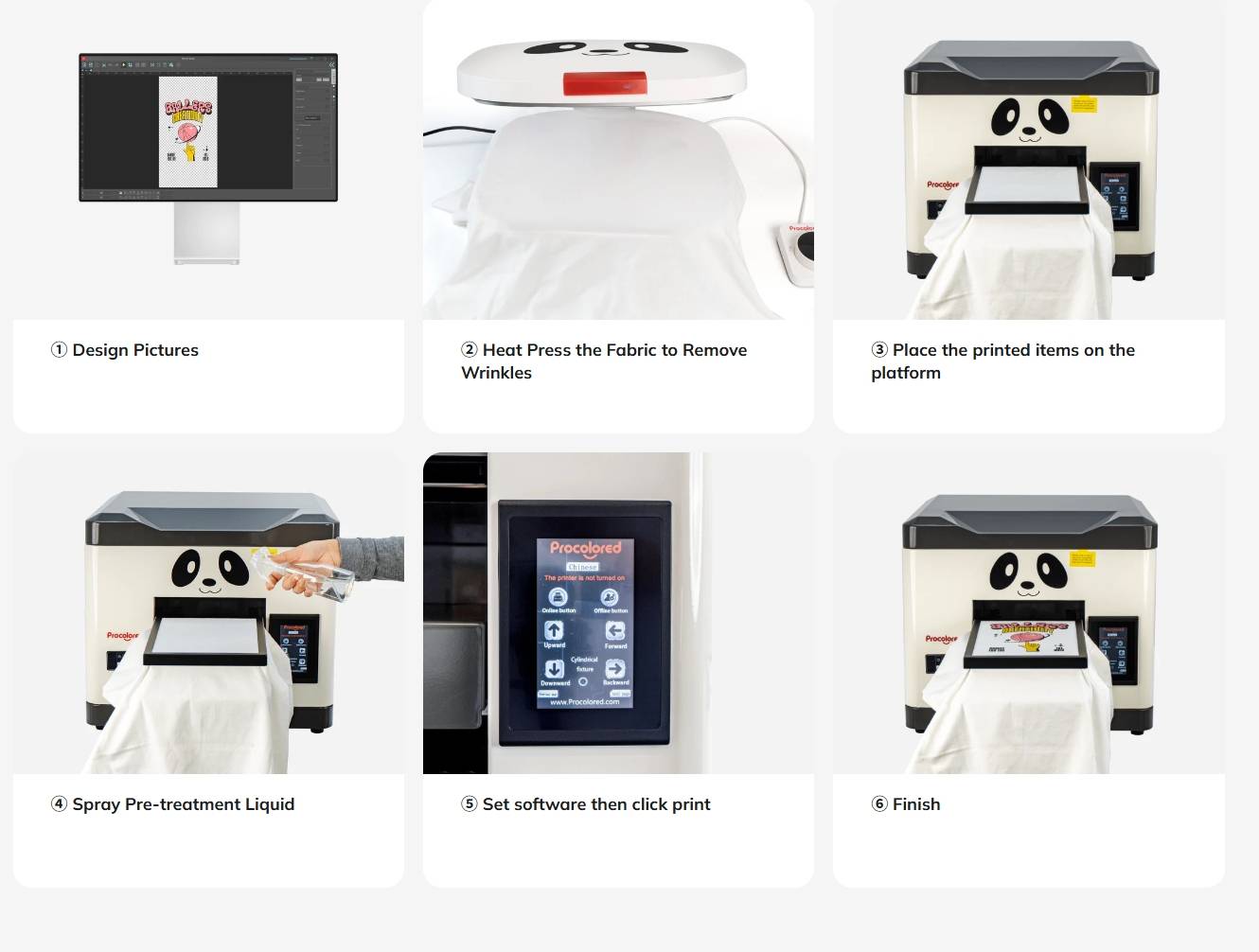
When it comes to light garments, DTG printing is quite simple. But for dark DTG fabrics, pretreatment is essential. You might say it is like prepping a canvas before printing–it gives the ink a surface to hold on to, or else they might get drowned by the fabric.

The problem is, pretreatment is a process that needs to be done with utmost precision else risk poor quality. Too heavy and your patch will likely be rough and also unappealing. Too light and the print looks faded. Uneven application? That’s where blotches and rough textures show up. In essence, pretreatment takes the average and makes it professional.

This is the reason modern DTG setups, such as Procolored, focus on even application and proper curing. You get rich colors on dark shirts without compromising on softness. Instead of the fabric feeling like a crunchy square on your chest, it actually feels like a shirt you would wear.

How Procolored Solves the “Plastic Feel” Problem

A lot of “plastic feel” stories come down to one thing: Bad gear. Cheap inks, chunky print heads, or just someone not paying attention when curing the print can turn your tee into a stiff disaster.. Procolored takes head on all such issues with a system that prioritizes comfort without compromising on quality.

● Better Inks, Better Feel
Procolored does not compromise on quality. They use water-based, environmentally safe inks that get absorbed by the fibers rather than sitting on top. The end prints are fully immersed in the t-shirt. They do not fight the shirt, they move with it.

● Print Heads that Don’t Overdo It
Precision heads do the hard work of layering inks exactly where they have to go. This means no chunky texture, no build up, everything smooth and evenly spread.

● Curing Done Right
Their curing process does not over bake the fabric, thus locking in the color. The prints remain soft to the touch, which is incredibly important, and they are vibrant and durable too even after multiple washes.

Trust me, if you slap two identical shirts next to each other—one done on some knockoff machine, one by Procolored Digital textile printers—you’ll know the difference as soon as you touch 'em.

The first shirt shows up a bit stiff and feels like the design is sitting on top. The t-shirt that is printed using Procolored DTG printing machine feels like the design is now a part of the shirt - no sticker feel, no plastic vibe. It is purely comfort and Procolored is the only thing responsible.

Comparing DTG vs. DTF Printers

When it comes to custom printing, the two heavy hitters are DTG and DTF printers. They share a lot of similarities but shine in different ways:

● DTG (Direct-to-Garment) is your pick if you’re obsessed with softness. Since the ink just melts into cotton, you end up with prints that feel smooth—almost like they were born on the fabric. For brands chasing that “premium, retail-quality feel, DTG is a super sensible choice.

● DTF (Direct-to-Film) give you a bit more texture since the design is transferred from film to fabric , but the real win is that you can slap these designs on pretty much anything: polyester, blends, that pile of old canvas tote bags in your closet, hoodies, hats, whatever. It’s tough, flexible, and pretty much unstoppable.

And here’s the kicker—Procolored doesn’t play favorites. They’re not gonna make you choose one–thier lineup got both. Do you need soft, cozy tees or bold prints on weird fabrics? you’re set. It’s all in one place, no equipment juggling, no system headaches, just options. Translate: actual freedom for your brand.

In short, with Procolored DTF printers, you don’t have to pick teams. Grab what you want, when you want, print it however you like.

Customer Experience: What People Say

If you ask those who have had DTG printed shirts done well, they’ll say one thing over and over, “Doesn’t feel like plastic at all!” That’s the litmus test—because at the end of the day, no one wants their favorite tee to feel like it’s coated in a layer of glue.

Smaller clothing brands are kinda obsessed with DTG printing for exactly this reason. They crank out those soft, high-quality prints that don’t send comfort freaks running for the hills.

Merch sellers? They’ll tell you straight up—fans aren’t just buying these shirts, they’re living in them. Way better than those promotional freebies that end up stuffed behind the socks after one wear.

Fashion startups totally get it too

What connects all of these stories? It is the sheer fact that a lot of these creators depend on Procolored garment printers. It is no wonder that Procolored has now become the go-to for so many, from inexperienced shop owners trying to side hustle to seasoned merch brands fulfilling hundreds of shipments every day.

It’s not hype tax, it’s lived experience from people who have put it to the test.

Tips for Achieving the Softest Prints

Wanna make your DTG prints pop and actually feel like part of the shirt instead of some weird sticker? There’s a couple key things that really counts:

● Choose the Right Type of Apparel
Fabric should be prioritized. 100% cotton t-shirts are ideal for DTG’s since the fibers absorb the water-based inks and work beautifully. Blends may still work, but the finish won’t feel as natural.

● Get Pretreatment Right
With dark textiles, pretreatment is what keeps colors rich and sharp. Too much, and your tee feels like cardboard. Too little, and your awesome design fades after two washes. You gotta nail that “just right” even coverage.

● Adjust the Curing Temperature
Curing is the “baking” step in the process that “locks” the ink into the shirt. Too hot and the print is rubbery like the 80’s. Too cool, and the print unlatches in less than a minute. The secret to prints that are soft to touch, and still last for a long time is the optimal temperature.

● Use Quality Printers and Accessories
Not all inks are the same. High quality, water based inks blend with the fabric, instead of lying on top. That’s the advantage of Procolored’s ink systems and accesories—they are made to work in sync with the printers for soft, and still vibrant, long-lasting results.

Putting these together doesn't just create a shirt that looks professionally tailored. Thanks to an incredible amount of detail, these shirts are not only professional, but are also desirable enough to wear over and over.

Conclusion

Look, nobody actually wants to wear those stiff, plasticky tees that feel like you ironed a sticker onto your chest.

DTG printing can be a total game-changer—if you do it right. We’re talking buttery soft, super breathable, basically like the print’s always been part of the shirt. That’s why people keep coming back for more DTG machines.

Honestly, the magic’s all about your setup. Procolored DTG and DTF printers are stacked with high-end inks, precision print heads, and curing tech that actually works (no more guesswork or praying your prints survive the first wash).

What you get are colors that pop, prints that feel good, and shirts people actually want to wear again. And again.

Ready to leave behind those janky, “peel-off-in-the-dryer” prints? Give your customers shirts they’ll brag about.

Check out Procolored’s garment printers and level up your apparel game.

About the Author -  Joyce

Joyce has worked with Procolored since the first day she joined inkjet printing career. Through continual training courses and years of working experiences, Joyce has formed a comprehensive understanding over Procolored products and a thorough knowledge of printing technologies.

About the Author -  Joyce

Joyce has worked with Procolored since the first day she joined inkjet printing career.  Through continual  training courses and years of working experiences, Joyce has formed a comprehensive understanding over Procolored products and a thorough knowledge of printing technologies.

Subscribe

To join our mailing list 

and never miss our updates!

Most Popular Blogs

Which Procolored DTF Printer Should You Get?

8 minutes read                    Share:

Subscribe

To join our mailing list 

and never miss a baby update!

Subscribe

To join our mailing list 

and never miss a baby update!

Subscribe

To join our mailing list 

and never miss our updates!

Most Popular Blogs
Procolored Product Support Library
Which Procolored DTF Printer Should You Get?