How To Sublimate Socks?

12 minutes read                         Share:

Written by PROCOLORED - Published on Aug 18, 2025

7 minutes read     Share:

Written by PROCOLORED - Published on Aug 12, 2024

 Written by PROCOLORED - Published on Aug 12, 2024

Share:

7 minutes read


Table of Contents

2.1 Level 1: The Basics – Your Must-Have Materials
2.2 Level 2: Printing Supplies—The Real Magic
2.3 Level 3: The Game-Changer – A Procolored DTF Printer
3.1 Step 1: Design Your Artwork
3.2 Step 2: Print the Design
3.3 Step 3: Prepare the Socks
3.4 Step 4: Press and Transfer
3.5 Step 5: Finishing Touch
4.1 All Over Templates Should Correspond to Jig and Sock Dimensions
4.2 Avoid Over-Saturation in High-Stretch Areas During Inking
4.3 Purchase High-Quality DTF Film and Ink
5.1 Maintain Uniform Designs Throughout Your Collections
5.2 Design Sets For Gifts
5.3 Make Use of Seasonal Trends and Events
6.1 Print Patterns With Missing Colors?
6.2 Edges Of Design Lacking Definition?
6.3 Colors Applied Unevenly Or Has Gaps In Some Areas?


Let’s admit it—nobody used to care about socks. Seriously, they were inconvenient clothing pieces that had to be worn for the sake of practicality. But look at us now! Socks have gone full glow-up and become the ultimate style weapon.

You’ve got bananas on socks, cats on socks, logo’s on socks (don’t ask, it’s a thing). People are out here flashing their ankles like they’re auditioning for a Vogue cover. Wedding parties with matching socks? You bet. One can now find socks being used for everything, they have indeed been liberated to flaunt their presence globally.

Hence, if you are looking for a way to promote your business, socks would be the perfect place to start. They’re fun, low-key addictive, and people actually want them. But—yeah, there’s a catch. Not every sock-printing method is worth your time.

Some peel, others fade after a wash, and some don’t have the right stretch the way socks need to stretch.

Here’s where sublimation usually gets all the hype, but nah, we’re not talking about that basic stuff.

We’re talking DTF printing—obviously with a Procolored DTF Printer. The colors pop like crazy, and the designs stay buttery soft. No cracking, no fading, no stiff, plasticky feel. Seriously, it’s a game-changer.

In this guide, we plan to assist you in printing socks with your desired designs, making it perfect for side hustles or business brands you are aiming to elevate.

Why Sublimation? And Not Traditional Sock Printing?
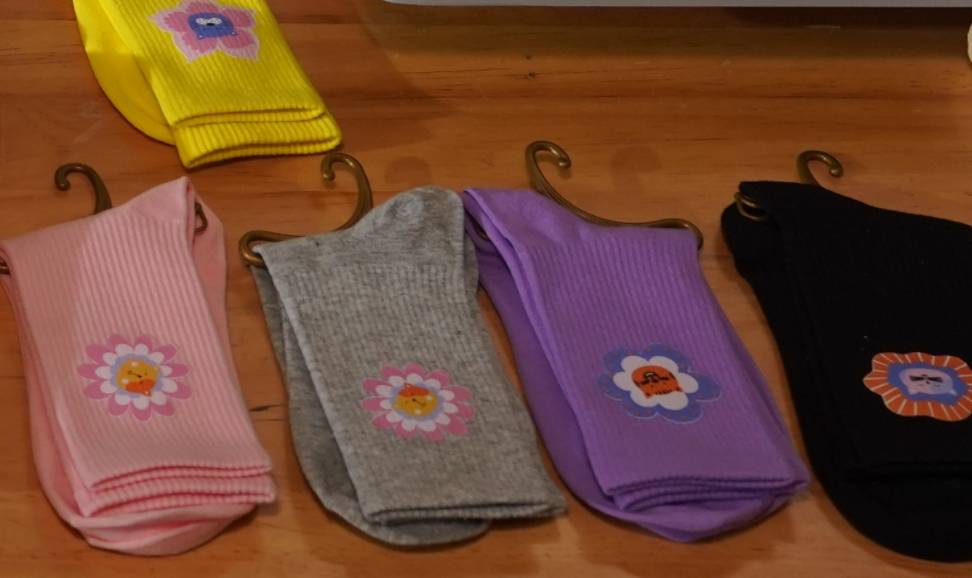

So, you might have probably heard of sublimation as a go-to for custom sock printing—and yes, it works well. It offers bright full-color images, and feels much better than heat transfer vinyl or stickers on fabric.

But that is not all: traditional sublimation has its downsides.
To start, you must have socks made of 100% polyester which limits your choices.
Then there is that annoying problem of color fade or drop out entirely in high-stretch areas like the heel, toe or ankle.
And let’s not even talk about how quickly the print can start cracking after a handful of washes. So, if you want a professional finish that holds up over time, this is the stuff of nightmares you might face.

Other methods?
● Vinyl peels or crack
● DTG printers are heavy on the budget, and aren't a good go for stretchable fabric like socks.
● HTV is… a lot of work for, at best, mediocre results.

This is why DTF (Direct-to-Film) sublimation using a Procolored DTF printer is the solution we've all been looking for.

Here’s what adds to the value:

Neon colors, gradients, rich blacks, and all other color designs are incorporated.
Even after 20+ washes, no fading occurs.
The prints are super stretchy and airy, none of those stiff, plasticky cracks so you barely notice they’re there—just smooth, clean comfort.

Bottom line: prints are crisp, socks are soft, and they actually last. Plus, Procolored’s DTF printers handle all this magic with zero drama—no endless cleaning, no weird color meltdowns, no annoying clogs. Basically, socks leveled up.

What You’ll Need – The Sock Printing Starter Pack

Alright, before you start crafting out those sublimated socks, you gotta have your gear lined up.. Fortunately, it is not a long list, and we will guide you through the entire process. Think about it like progressing through the levels of a video game; every stage gets you closer to those sweet, pro-level sock prints.

Level 1: The Basics – Your Must-Have Materials
Let’s start off with the everyday materials you will need to get started.

● Pre-Sublimated Socks
Always try to get socks with a 95% to 100% polyester composition. This is because socks that have a high polyester content allow sublimation and DTF to work well and give vibrant results.

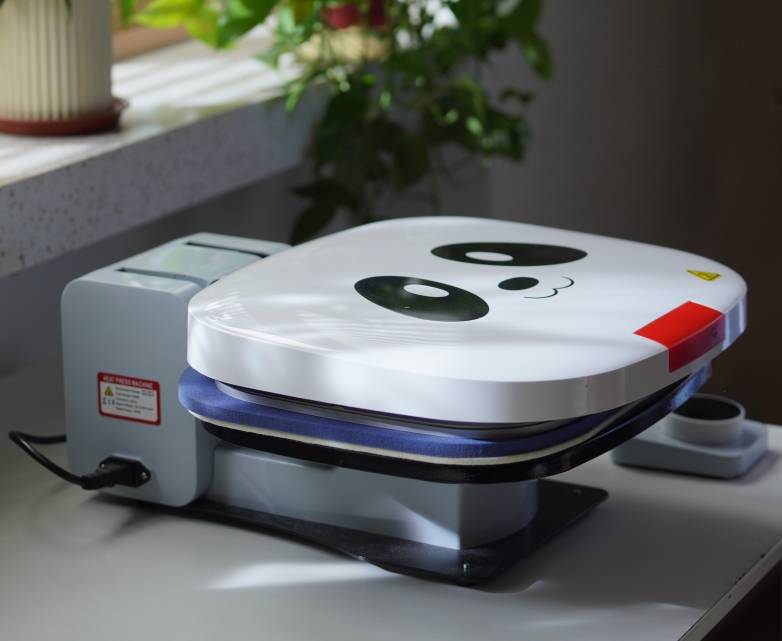
● Heat Press Machine
Yeah, you need one. It’s what fuses the design onto your socks. Flat press is cool, but if you’re picky (or just a perfectionist), look into sock jigs or a sock press. They hold the sock flat and even, so you don’t get those awkward creases or weird color streaks.

Heat Press Machine

● Heat Tape And Lint Roller
– Heat tape helps keep the design in place during the pressing phase.
– Lint rollers not only help clean the dust or fibers off the sock, but also ensure that it is clean and smooth for the printing.

● Sock Jigs
Sock jigs serve to simplify the task of flattening out the socks. They serve to prevent the wrinkling of the fabric, thus, ensure that the transfers, especially at the heel and toe parts, are done smoothly and evenly.

Level 2: Printing Supplies—The Real Magic
Now, for the fun part: actually putting your design on the socks.

● DTF Transfer Film Or Sublimation Paper
DTF film is kinda the champion for socks—it moves with the fabric, so your design won’t crack when you stretch your socks over your feet (or calves, if you’re that guy).

— Sublimation paper works too, but this lets you get stuck with light-colored, all-polyester socks if you go that route.

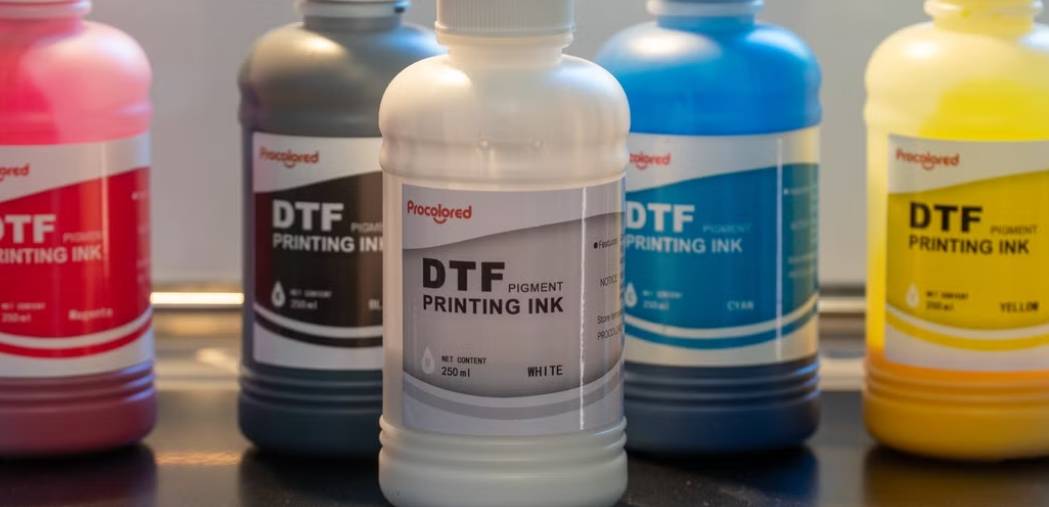
● High-Quality Ink
Don’t go for cheap ink here. You need legit DTF or sublimation ink—using the wrong stuff is a recipe for disaster. You’ll end up with blurry prints, sad colors, or just ink bleeding everywhere. No one wants socks that look like a tie-dye gone wrong.

And boom—you’re ready to roll. Time to make some awesome socks.

DTF Ink

Level 3: The Game-Changer – A Procolored DTF Printer
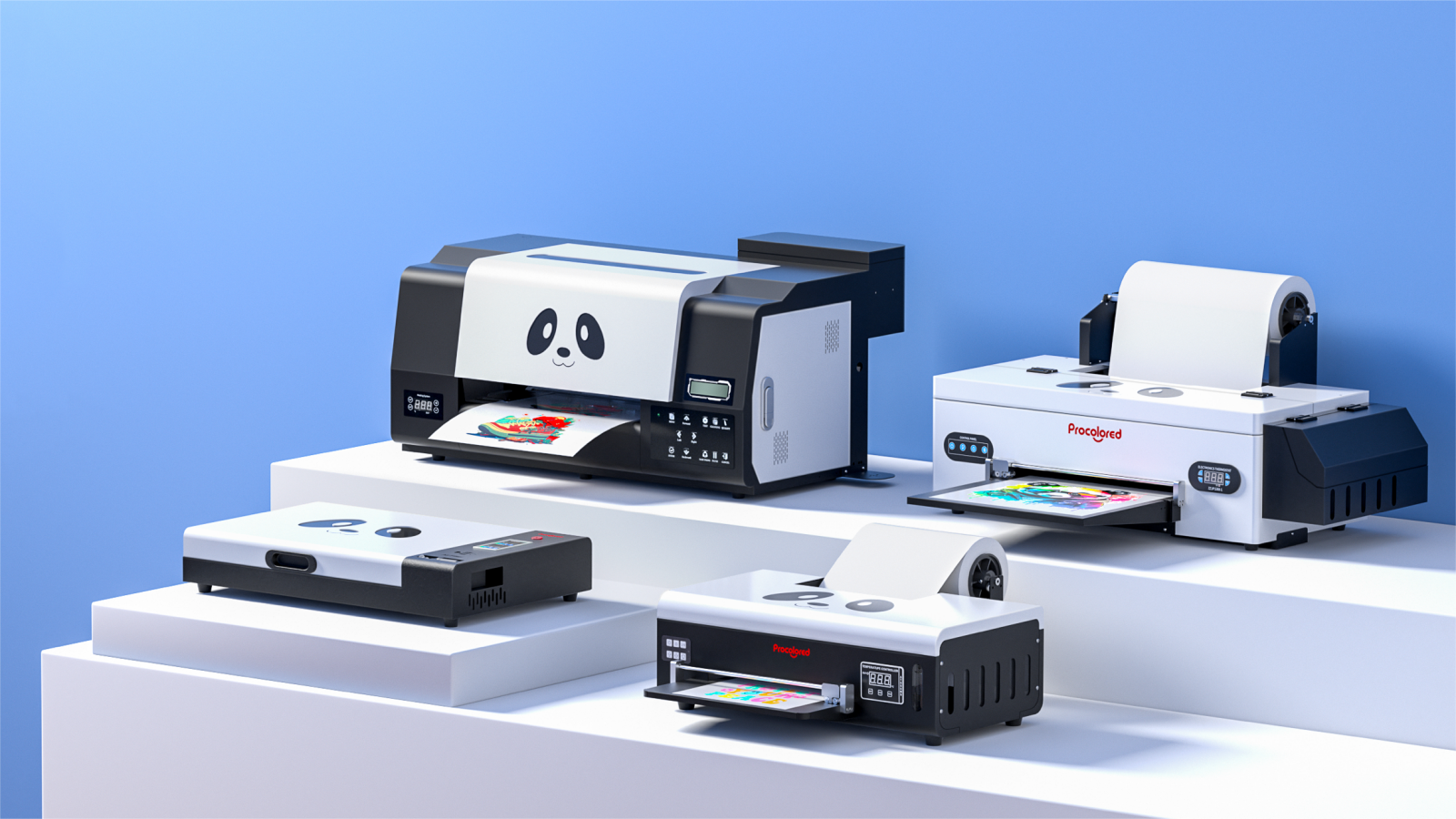
Let’s discuss the Procolored DTF Printer. This is the missing piece to the puzzle since this prints the design on the sock.

Options:
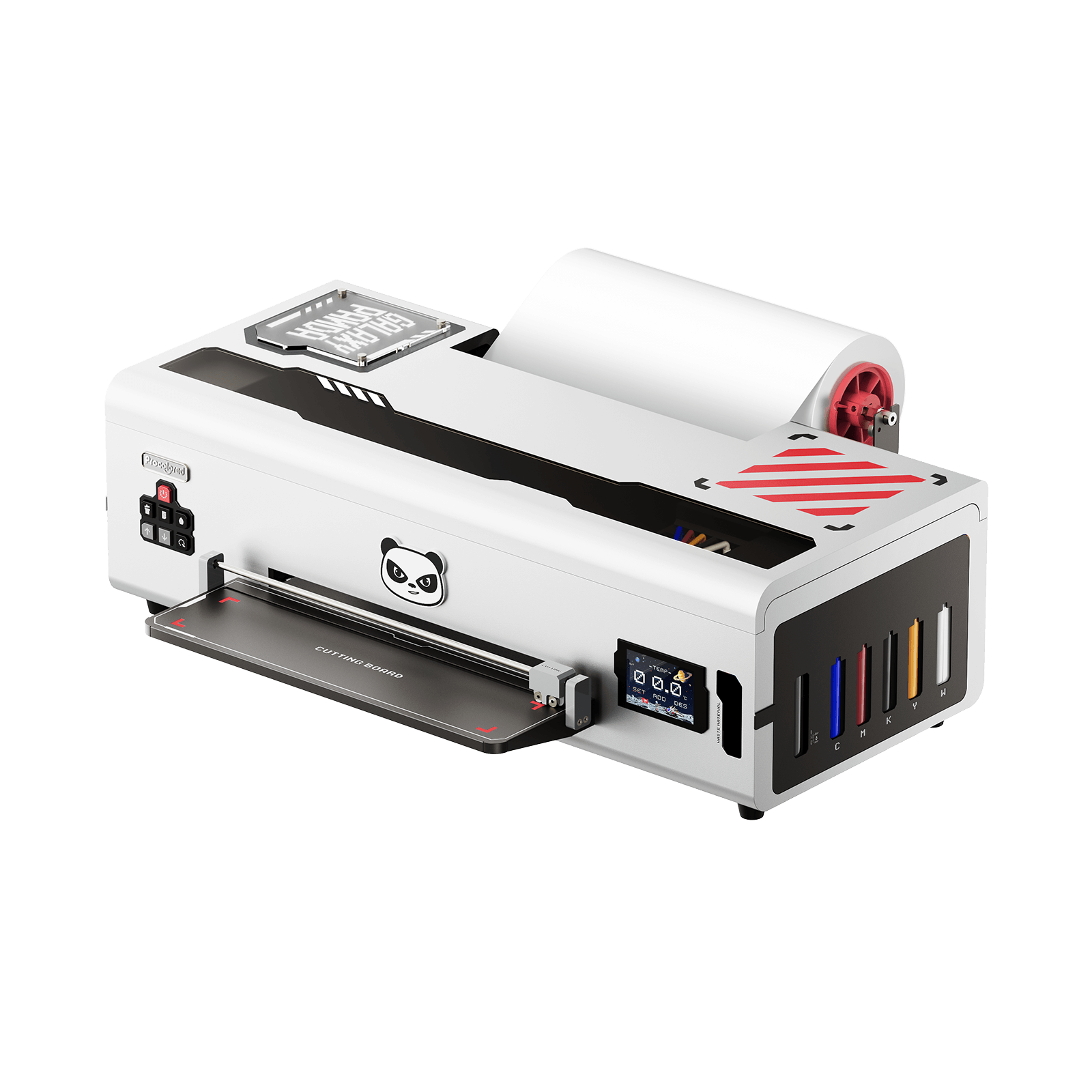
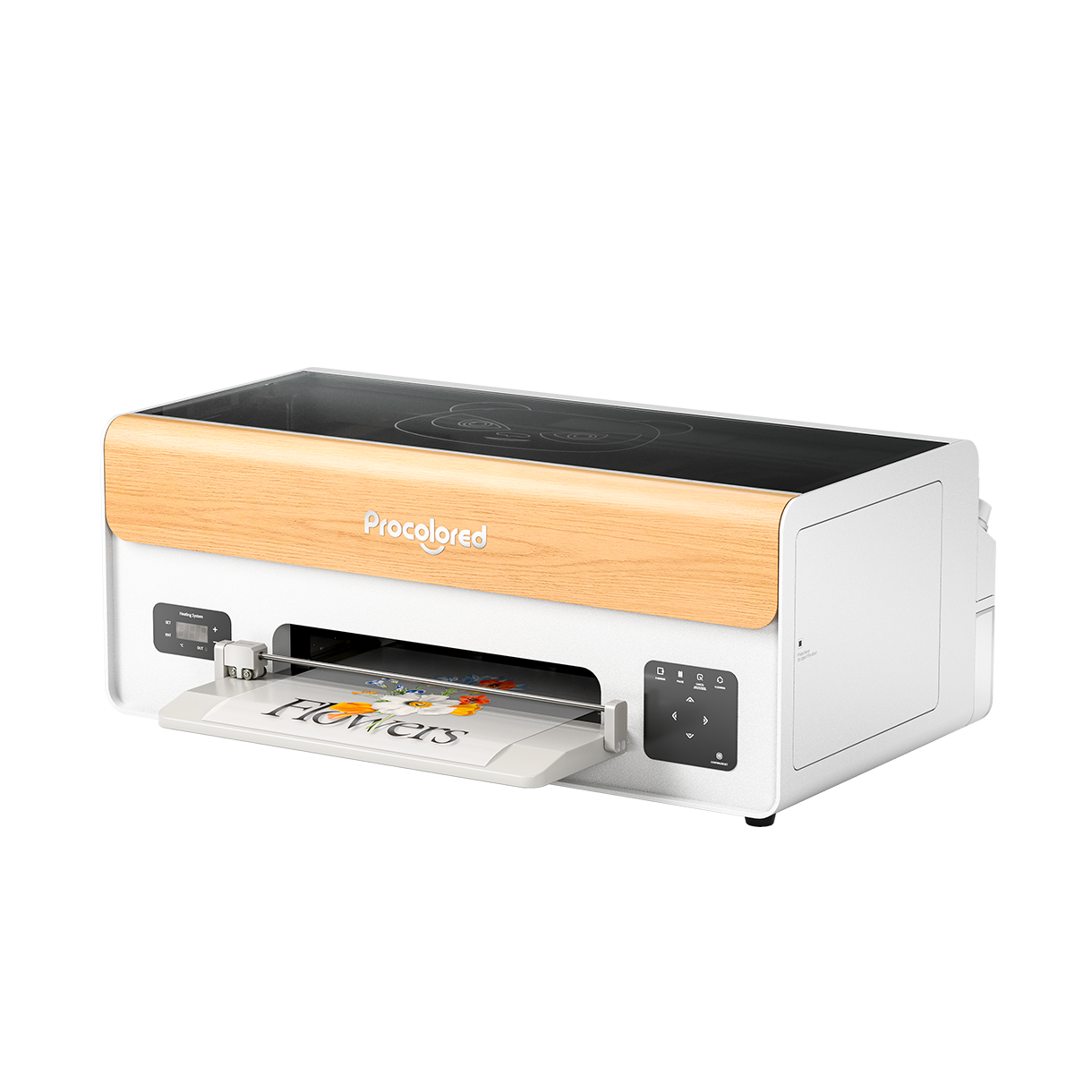
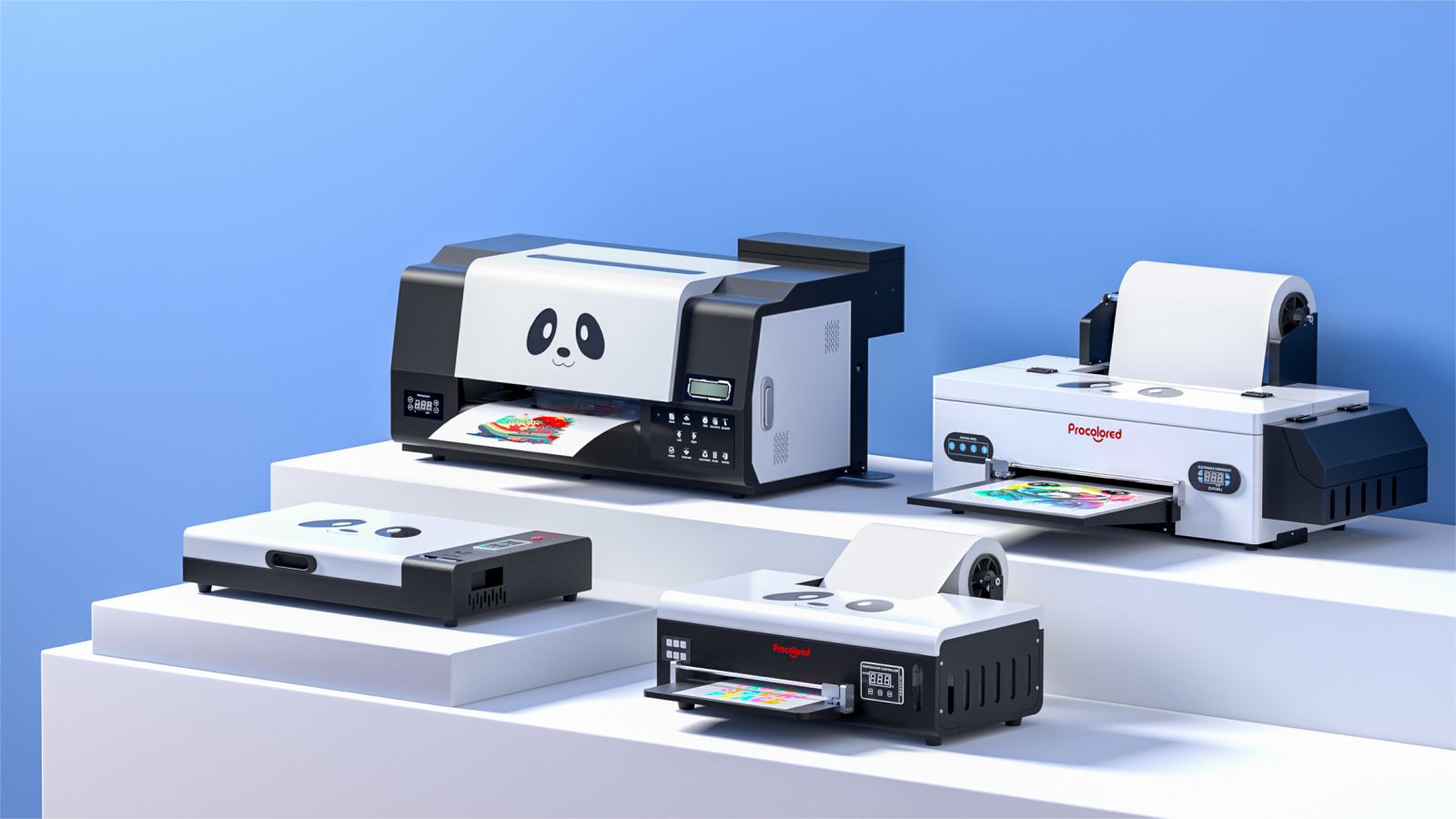
● Procolored A3 DTF Printer
● Procolored L1800 DTF Printer

✅ Perks Procolored DTF printer offers:

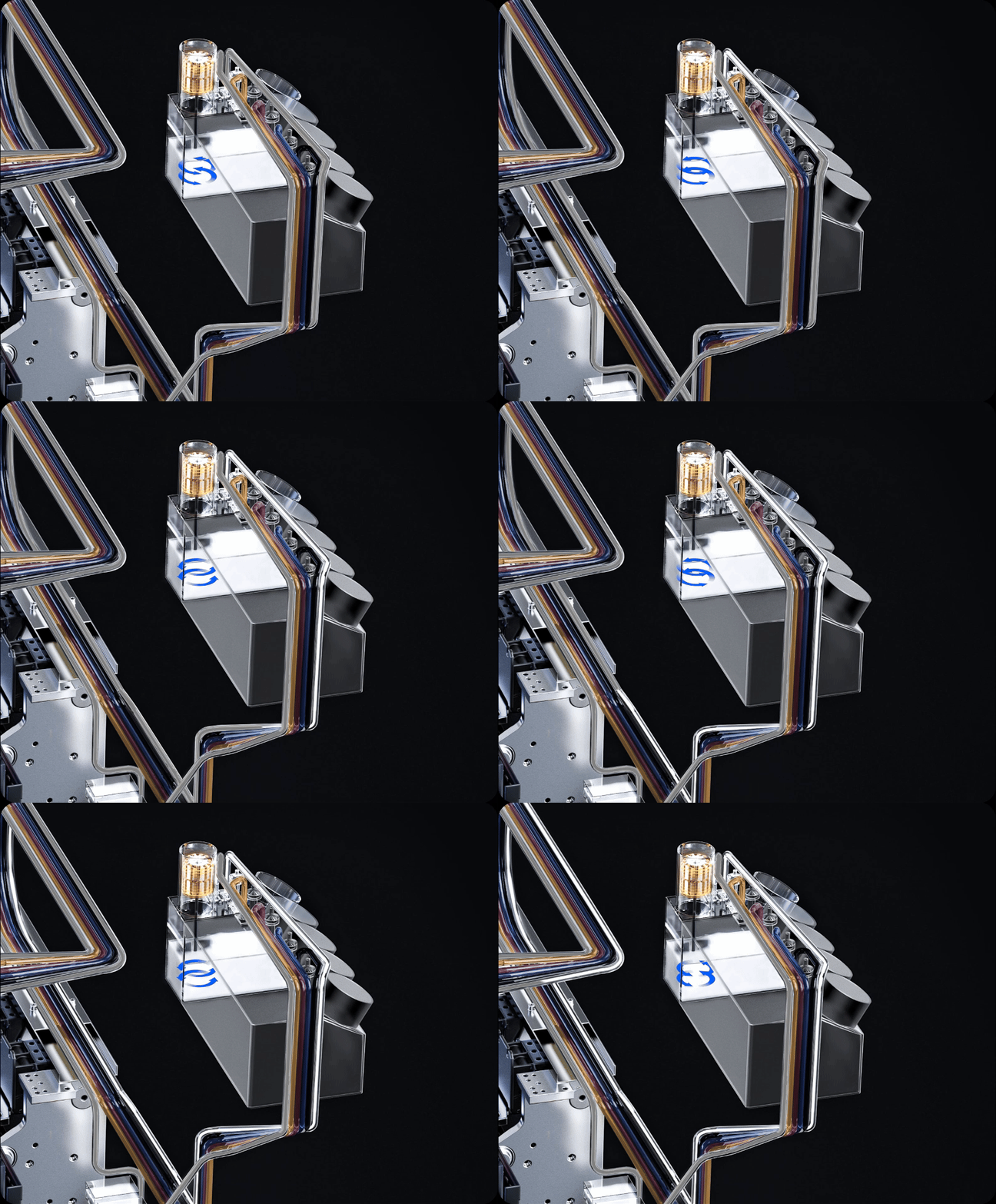
● White Ink Circulation – No more dealing with crusty, clogged-up white ink. The circulation keeps things flowing, so you’re not stuck cleaning gunk all day.
● Anti Collision Tech – Design safeguards from head bumps and misalignment.
● High Precision Printing – We’re talking crisp lines, silky gradients, colors that pop—even on awkward stuff like socks. No more blurry messes.
● Auto Cleaning System –Forget scrubbing nozzles every other day. This thing cleans itself, so your prints stay sharp and you get your life back..

Procolored DTF printer with white ink circulation

Step-by-Step: How to Sublimate Socks

Ready to bring your sock design dreams to life? If you’re making a pair for fun or want to start a small business, this guide will walk you through the process of sublimating socks from your sketches to the final press step.

Honestly, the process is a whole lot easier with a Procolored DTF Printer.

Step 1: Design Your Artwork

Start with a design: A good design will work wonders, be it Photoshop or Illustrator for a more formal approach, or even Canva for a quick grab.
● Remember that your design needs to be mirrored if you wish to print correctly on the sock.
● Also, remember to print socks using sock templates—they greatly assist with alignment, especially in the stretch areas of the toe, heel, and ankle.

Important: Avoid placing vital design elements on areas that distort when worn.

Step 2: Print the Design

It is now time to make your sock design a reality, and bring it to life on film or paper.

● As for traditional sublimation, remember to use the appropriate ink and sublimation paper.
● If Procolored DTF is your printer of choice (which it should be), make sure to print on DTF film with CMYK + white ink.

Pro Tip: Use Procolored’s ICC profile. It basically keeps your colors from coming out all funky or washed out. No one wants neon pink when you want crimson red.

Step 3: Prepare the Socks

In order to get the best results, prep the socks prior to pressing.

● Slide your socks onto a sock jig so everything’s flat and stretched just right.
● Give them a quick 5-second pre-press—gets rid of any moisture hiding in there.
● Last thing: put on some heat-resistant tape to lock down your transfer film

Step 4: Press and Transfer

Your designs are now ready to transfer.

● Set your heat press to 385°F (196°C) and
● Press down for about 45 to 50 seconds, hit it with medium to firm pressure. .
● Not sure if you’re supposed to peel the film off while it’s hot, or wait for it to cool? Yeah, double-check the instructions on your DTF film to be sure.

Honestly, with Procolored’s tech, you can pretty much stop worrying about your colors looking washed out or your lines getting all fuzzy. Everything comes out crisp and popping.

Step 5: Finishing Touch

Once pressed, allow 1 minute for the socks to cool down.

● To retain the design and structural quality, the socks must not be disturbed during the cooling phase.
● Look for uneven transfers or missed spots, though with a DTF printer that is rare due to the systematic pressure and edge-to-edge coverage.

And that’s it, you’re done! Now you’ve got yourself some custom socks that are poppin’ with color, built to last, and won’t go all saggy after a few wears.

Honestly, after a couple of tries, you’ll be knocking out pairs like a pro—especially if you’ve got a solid setup like those Procolored DTF printers. Easy peasy.

Pro Tips for Perfect Sock Sublimation

Want your sock prints to go from “meh” to straight-up legendary? Here’s the lowdown on nailing pro-level results—without hurling your DTF printer out the window or sacrificing a dozen socks in the process.

1. All Over Templates Should Correspond to Jig and Sock Dimensions

Listen, designs can go sideways fast if you don’t size ‘em right. You might have got an awesome graphic, but if it’s onto the wrong template, suddenly your logo gets clinging to the toe. Use a template that actually fits your jig and sock—don’t just wing it—so your print wraps where it’s supposed to.

2. Avoid Over-Saturation in High-Stretch Areas During Inking

The heel and sole get stretched more than a pair of old leggings, so don’t dump a ton of ink there. Keep those areas chill—lighter designs or less saturation—otherwise, when they stretch, you’ll get cracks or weird faded patches. Nobody wants socks that look beat up after one wear.

3. Purchase High-Quality DTF Film and Ink

Saving cash feels good—until your socks peel and look like sad leftovers. These low ones almost always result in colors fade, edges peel, and after one spin in the wash, your masterpiece looks like a thrift store reject . So, If you want your socks to be looking all good and long-lasting, always go for top of the line DTF materials that are stretch-compatible.

Scaling Beyond Socks

While you’ve learned the skill of sock printing, don’t limit yourself to just that. With your Procolored DTF printer, you have the opportunity to create more than just socks. You can further increase the range of your products without the need for additional DTF printing machines or complex upgrades, and thus increase the revenue for your business.

Maintain Uniform Designs Throughout Your Collections
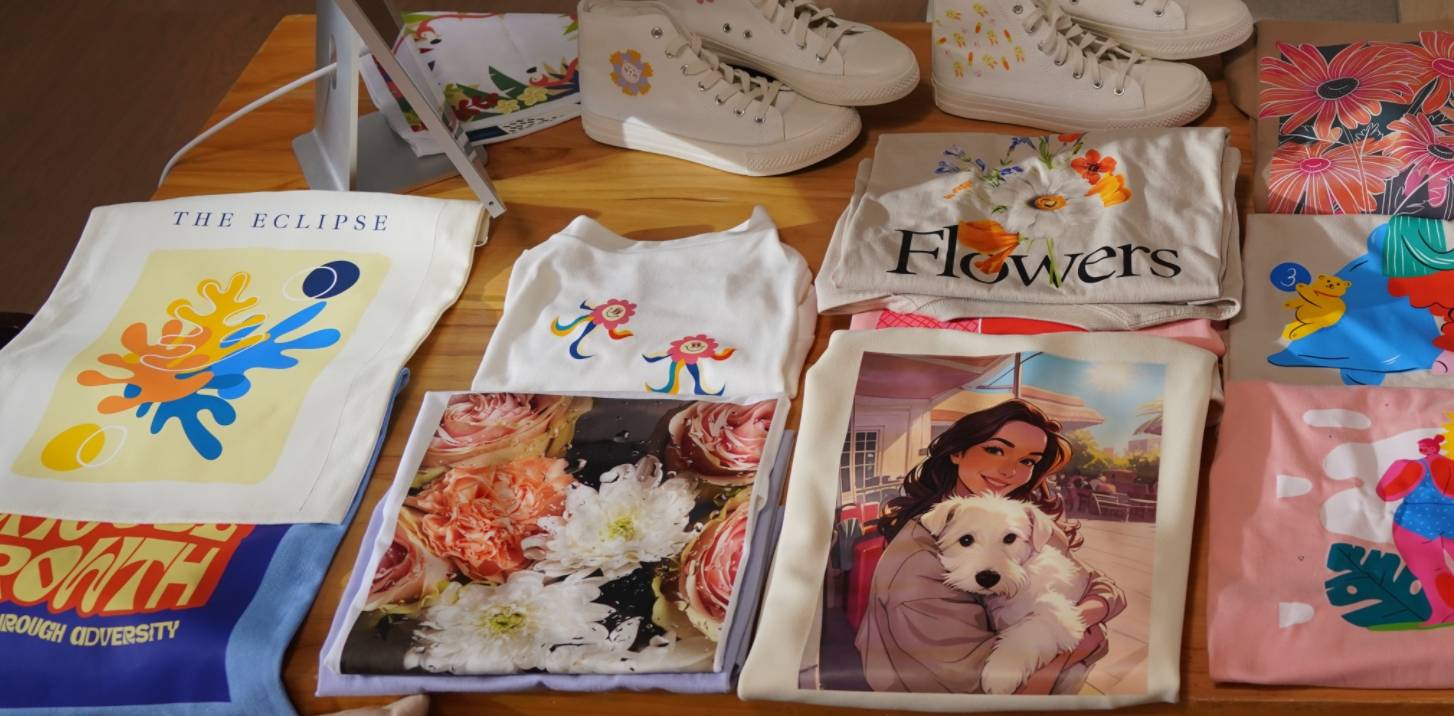
Keep continuity in your brand by including uniform designs on:

● Hoodies and sweatshirts
● T-shirts and tank tops:
● Tote bags and beanies.

This is a simple straight way that lets you provide complete themed sets or outfits that your customers will love.
Matching apparel sets

Design Sets For Gifts

Get yourself the best DTF printers and excite those prints into awesome gift sets! Try mixing things up like:

● Baby sock + bib sets for new parents or for baby showers.
● Cool Streetwear packs with socks, tees, and caps.
● Wedding party kits with coordinated items for bridesmaids, groomsmen, or guests.

These fun combos aren’t just fun–they boost up your sales by getting people to buy more in one go.

Make Use of Seasonal Trends and Events

Try limited-edition drops for:

● Holidays: Christmas, Halloween, Valentine’s Day and more.
● Sports teams or localized events.
● Current pop culture trends and fandom merch.

With DTF printing, you can effortlessly stay ahead of the trends.

Best of all, you don't have to change your equipment; your Procolored DTF printer is ready for all of it.

Troubleshooting Common Sock Printing Issues

Even though sock printing has specific steps to follow that refine processes, there can be unexpected snags. Should any of your designs have misalignments, here are the solutions to the most common problems:

Print Patterns With Missing Colors?

This issue usually happens when you’ve messed up the time or temp on your press, or maybe your ink just sucks. Double-check your heat press—temps and timing gotta line up with whatever your DTF sublimation ink wants. If you’re running cheap ink, forget about it. Change it for the good stuff.

Edges Of Design Lacking Definition?

If the check pattern you used appears like a watercolor splash, your sock did not get pulled snugly over the jig. As a best practice, the sock should be uniformly pre-stretched to help the design be sharp and retain shape during the pressing process.

Colors Applied Unevenly Or Has Gaps In Some Areas?

This can be due to lack of heat consistency or quality of ink. Make sure that your ink is of better quality that provides full and seamless color output, and your heat press covers the entire area without any gaps.

Wrap-Up: From Hobby to Hustle

Do you want to show off your socks and make them the center of attention?

Now, sock sublimation is no longer just a DIY weekend project, but rather, it’s a fun and innovative way to exercise your creativity and maybe even make some cash while you're at it. Thanks to gadgets like Procolored DTF Printers, it’s crazy simple to jump in and, honestly, even make a few bucks.

You could turn this into a whole side gig or just spice up your existing shop and the best part is, you no longer need to use 100% polyester fabric.

DTF printing also works well on blends and offers striking colors and fine details with prints capable of enduring the wear and multiple washes.

It’s kind of amazing how far DTF printers have come. If you have an efficient setup, like the Procolored DTF printing machines, that can print white ink on socks without jamming, you’re not just saving headaches—you’re actually setting yourself up to scale your hustle.

So what’s next?
Go ahead and grab Procolored DTF Printer , and begin plain socks into works of art. It might just end up being a fun side hustle.

About the Author -  Joyce

Joyce has worked with Procolored since the first day she joined inkjet printing career. Through continual training courses and years of working experiences, Joyce has formed a comprehensive understanding over Procolored products and a thorough knowledge of printing technologies.

About the Author -  Joyce

Joyce has worked with Procolored since the first day she joined inkjet printing career.  Through continual  training courses and years of working experiences, Joyce has formed a comprehensive understanding over Procolored products and a thorough knowledge of printing technologies.

Subscribe

To join our mailing list 

and never miss our updates!


Most Popular Blogs

Which Procolored DTF Printer Should You Get?

8 minutes read                    Share:

Subscribe

To join our mailing list 

and never miss a baby update!

Subscribe

To join our mailing list 

and never miss a baby update!

Subscribe

To join our mailing list 

and never miss our updates!

Most Popular Blogs

Procolored Product Support Library
Which Procolored DTF Printer Should You Get?